
ADK Hospital doctors room token display
Rebuild of the consultation room token displays in React Native and native Kotlin
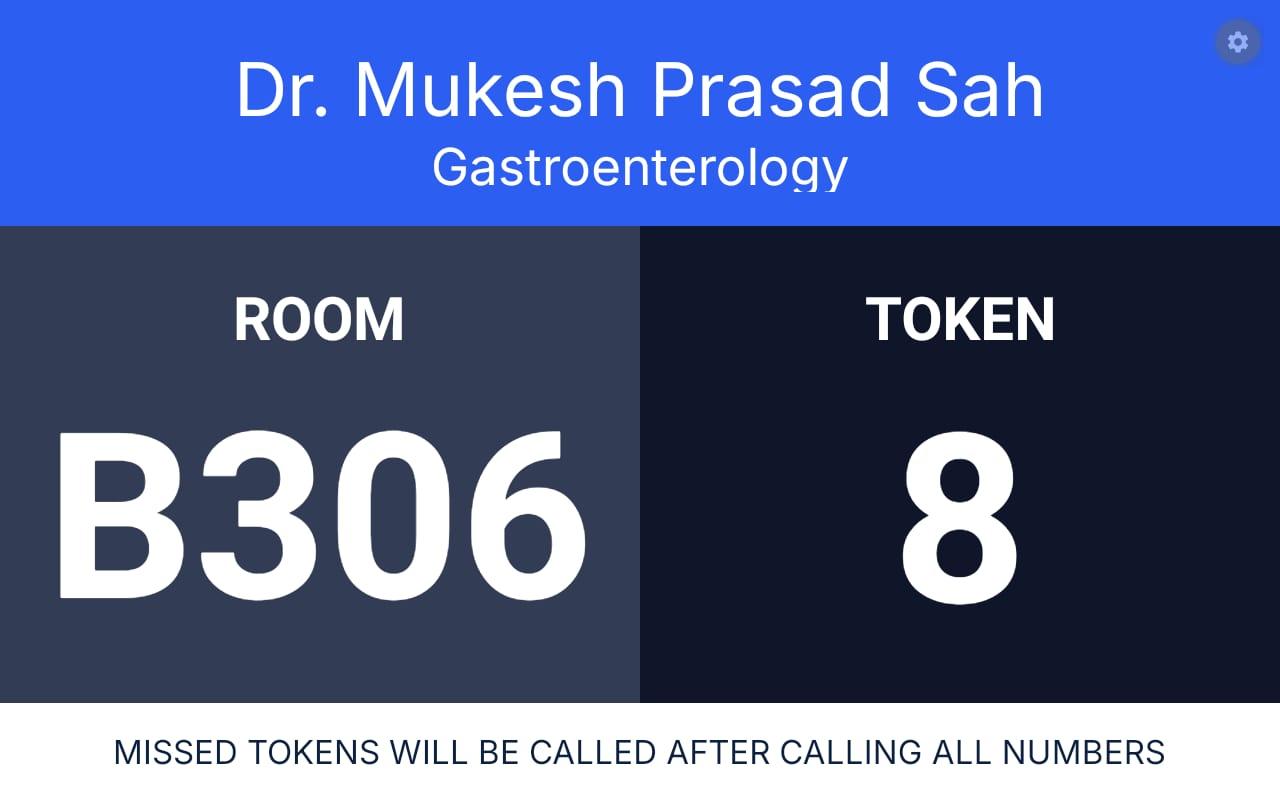
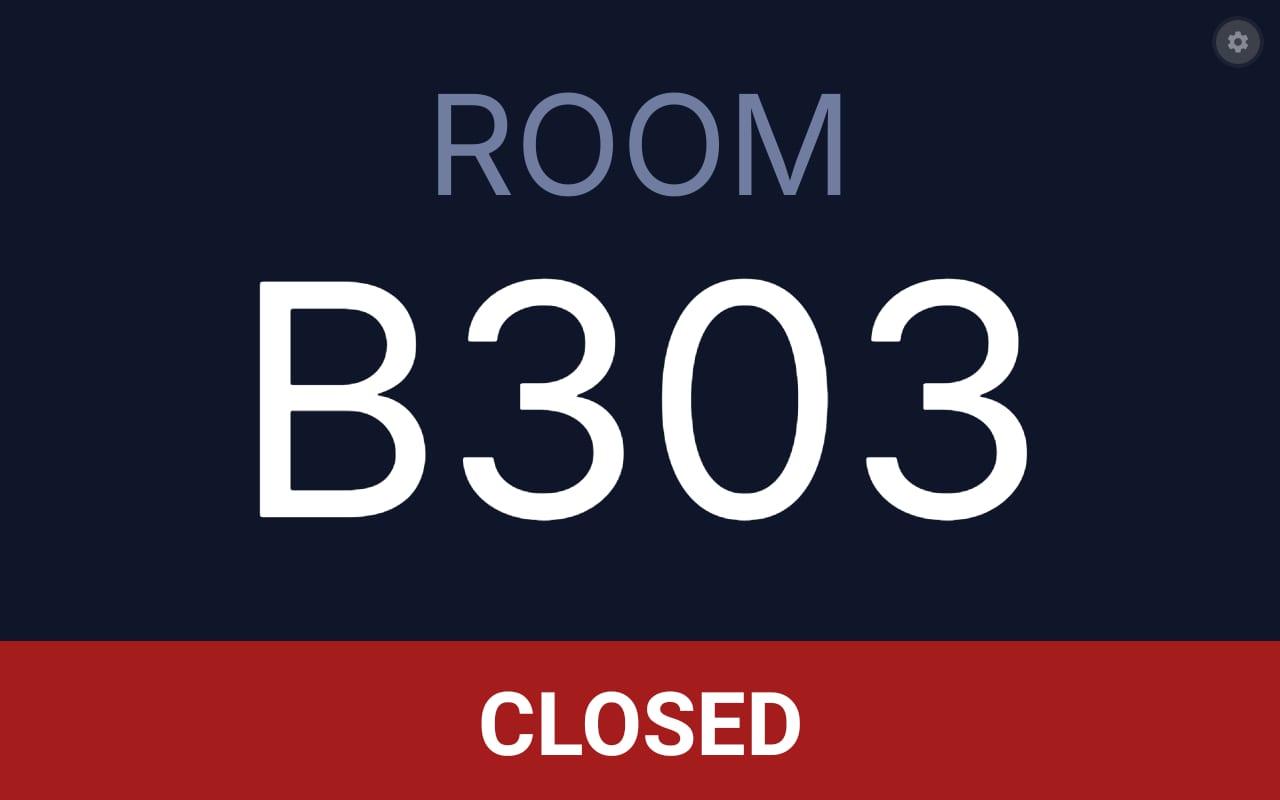
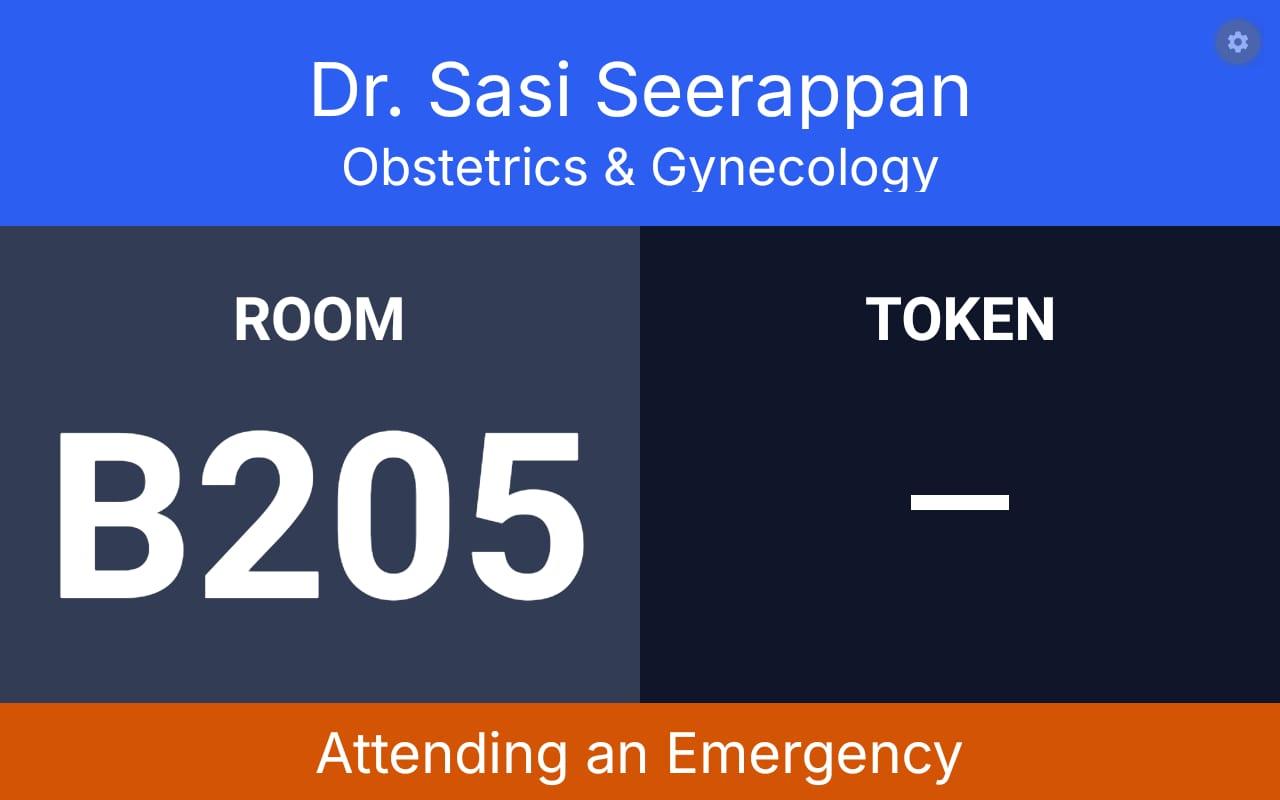
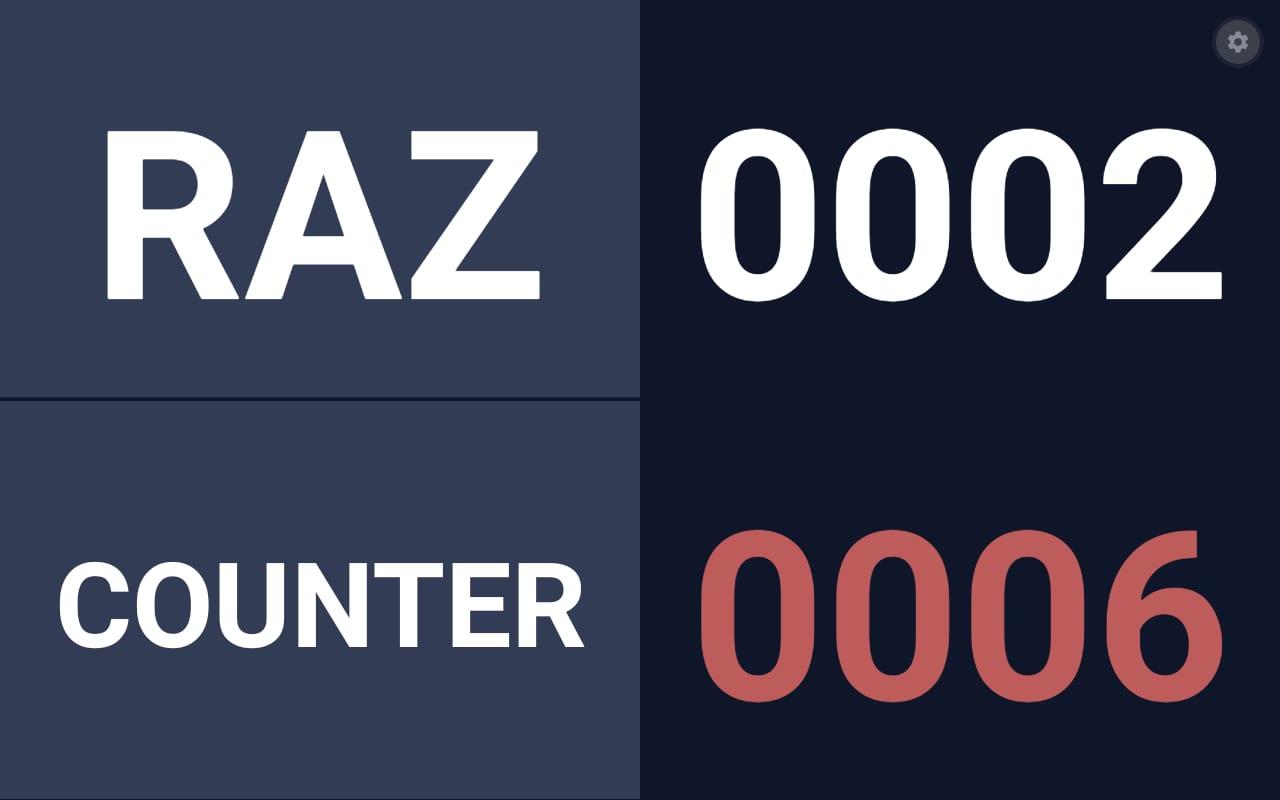
Every consultation room at ADK Hospital has a screen outside it showing the doctor, the room and the token currently being called. This is the second generation of that app, rebuilt from the ground up.
The current version is written in React Native with the demanding functionality in native Android Kotlin, sharing its foundation with the signage TV app. That shared base is the point: both run unattended on cheap hardware in public areas, so both got the same treatment — a watchdog, self-recovery, and self-healing behaviour that lets a screen bring itself back after a network drop, a media fault or a power cycle without anyone attending to it. A recovery menu is available on-device for the cases that need a person. Configuration and templates come from the queue management system rather than being set per device.
Like the signage app, it supports Android 7 and up, which is what keeps the existing tablet fleet in service instead of forcing a hardware refresh.
The first version. The original displays were built years earlier, when ADK Hospital expanded its services and the existing screens could no longer keep up. That app was a hybrid build using Apache Cordova, deliberately styled to match the legacy displays it replaced, and it was chosen because it could be developed and deployed within days of the project starting. It integrated with the hospital's existing software and ran on custom Android tablets sourced internationally, alongside a management portal for oversight of the fleet.
It did its job for a long time. The rebuild happened because the requirements moved on — deeper integration with the queue management system, centrally managed templates, and far stronger recovery behaviour than a Cordova wrapper could offer. The hybrid app proved the idea and bought the time; the native rebuild is what made it durable.